
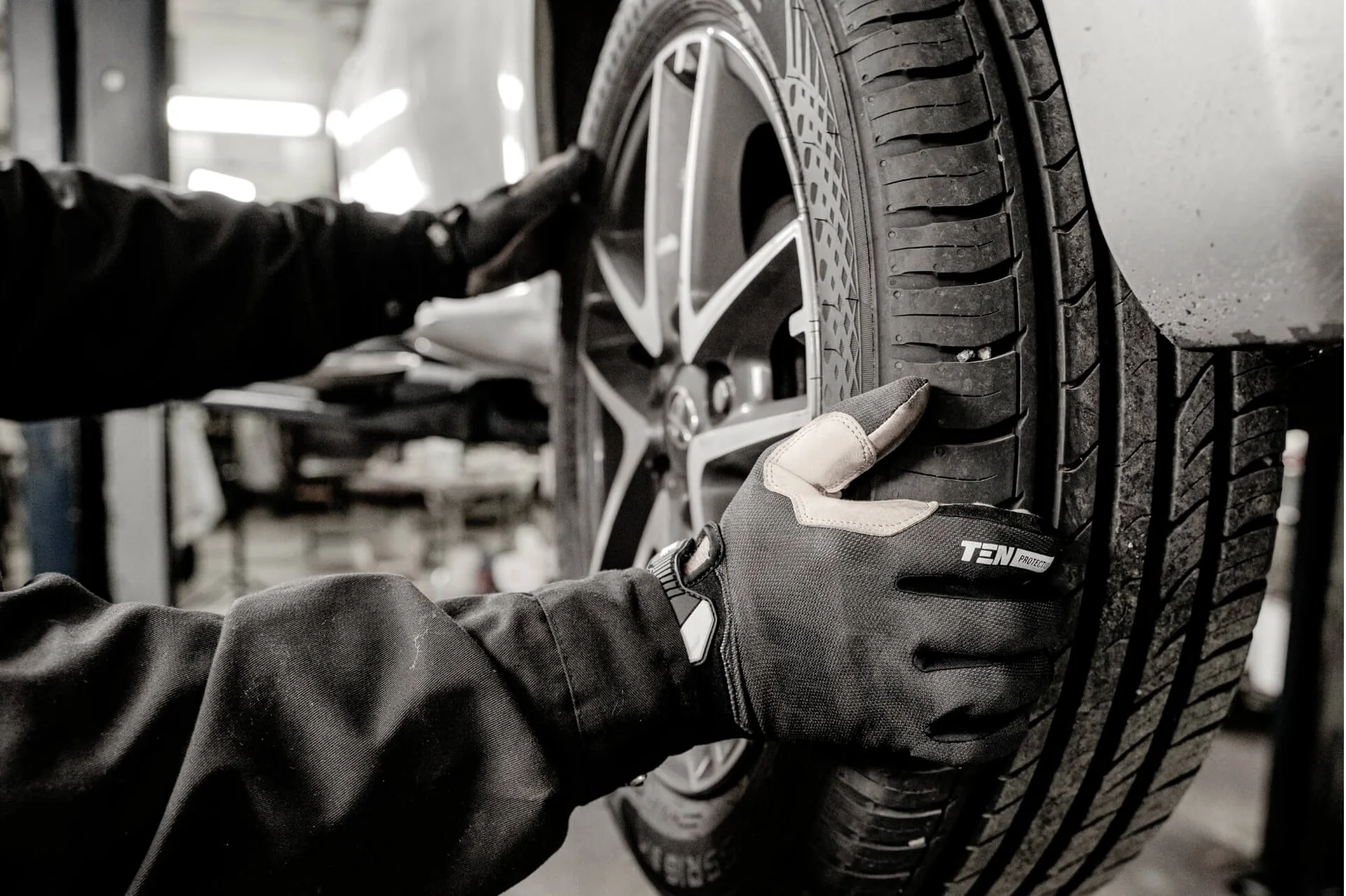
In Buckingham, the first cold mornings often arrive before the calendar says winter. A little preparation now can save an inconvenient rush when temperatures drop. If you drive a vehicle registered in Québec, the winter tire requirement generally runs from December 1 through March 15, inclusive, subject to the government’s listed exceptions. That date is the legal deadline, not necessarily the ideal first day to install them.
Why changing early makes sense
Winter tires are designed to remain more flexible in cold conditions and provide traction in snow and slush. Transport Canada notes that all-season and summer tires start losing elasticity below about 7°C. For Buckingham drivers who face early frosts, winding roads and changing weather, watching the forecast is more useful than waiting for the first major snowfall.
What to check before installation
Start with tread depth, irregular wear, cracks, visible damage and tire age. Inspect the sidewalls and confirm that each tire’s size, load rating and type suit your vehicle. Québec requires a compliant winter-tire marking or permitted studs for tires covered by the rule. Winter tires should generally be installed as a matching set of four. If tires are mounted onto rims, proper wheel balancing may help prevent highway-speed vibration.
After the tire change
Confirm tire pressures against the vehicle manufacturer’s guidance, not the maximum figure printed on the sidewall. Ask the workshop about wheel fastener torque and any manufacturer-recommended recheck. If a tire-pressure warning appears after the changeover, your vehicle may need a system reset or sensor assessment.
When should you book?
An October or November appointment can make scheduling easier. Book earlier if a tire is damaged, worn, or unsuitable for winter use. March 15 marks the end of the mandatory period, but ice and cold may remain; let road conditions guide the return to all-season or summer tires.
Buckingham Auto Centre offers tire installation and balancing services. Tell the team whether your tires are already mounted on wheels, and include tire size and vehicle details when requesting an appointment. Request an appointment; the workshop will confirm availability.
Before you contact the workshop
A clear description helps the workshop prepare for the conversation. Gather the following information without putting yourself at risk to obtain it.
- Vehicle year, make and model, plus the tire size if available.
- Whether the seasonal tires are loose or already mounted on wheels.
- Any pressure warning, vibration, visible damage or concern about tread wear.
Frequently asked questions
Does the legal deadline tell me the best day to change tires?
No. It sets the required period for vehicles covered by Québec’s rules. Local weather, tire condition and your travel plans also matter. Plan ahead and check the current provincial requirements for any exception that may apply.
Does balancing correct a vehicle that pulls?
Not necessarily. Balancing addresses uneven weight around a wheel, while alignment concerns wheel angles. Pulling or unusual wear may need a separate tire, brake, steering or suspension inspection.
An appointment request is not a confirmed booking. The workshop will contact you to discuss availability and the next step.
Sources and current requirements
Québec government: winter tire requirements · Transport Canada