Road damage can be hard on tires, wheels and suspension. After hitting a pothole around Buckingham, it is worth noticing how the vehicle steers, even if there is no obvious flat tire. A wheel-alignment check measures wheel angles against the manufacturer's specifications, but an alignment alone is not the answer to every handling complaint.
Three signs worth watching
First, a vehicle may drift or pull consistently on a reasonably level road. Second, the steering wheel may sit off-centre while the vehicle tracks straight. Third, one side of a tire may wear faster than the other. These symptoms suggest an inspection, though they do not prove alignment is the cause.
What else can a pothole damage?
An impact can affect a tire sidewall, bend a wheel or stress steering and suspension parts. Tire pressure, a dragging brake, road crown and mismatched tires can also influence vehicle tracking. A vibration at highway speed may be a tire or wheel imbalance rather than an alignment problem.
How a proper inspection works
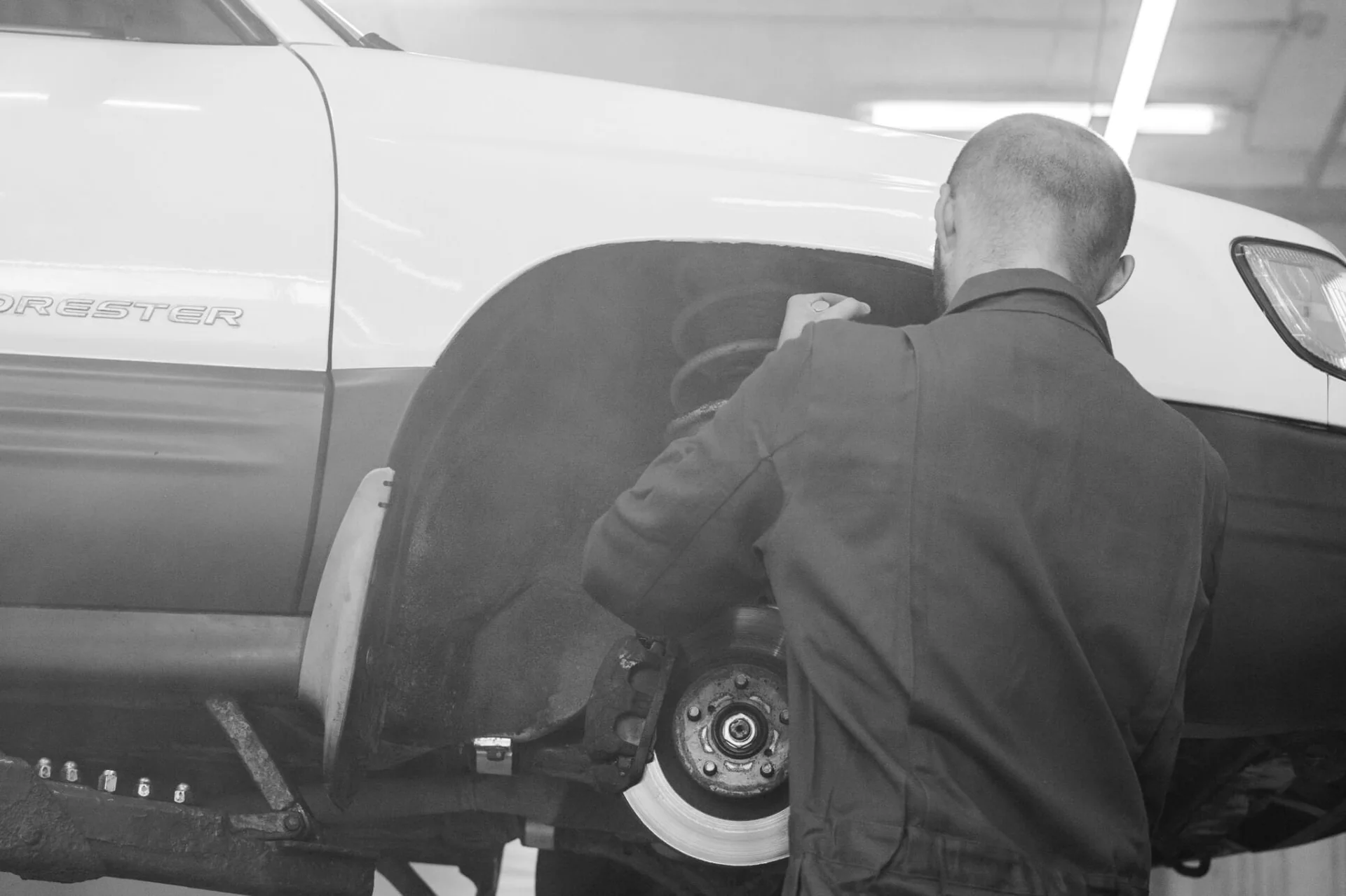
A technician may first check tires, wheels and steering or suspension play. If an alignment is appropriate, wheel angles such as toe, camber and caster are measured and adjusted where the vehicle design permits. Worn or damaged components should be addressed before treating an adjustment as the full solution.
When to request service
Ask for an inspection after a hard impact if the steering feels different, a tire loses pressure, vibration develops or abnormal tire wear appears. If the car cannot be controlled normally or a tire is visibly damaged, stop driving and get assistance.
Buckingham Auto Centre offers wheel alignment and related suspension inspections. Explain the impact, symptoms and whether the problem began suddenly.
Before you contact the workshop
A clear description helps the workshop prepare for the conversation. Gather the following information without putting yourself at risk to obtain it.
- When pulling or off-centre steering first appeared, especially after an impact.
- Whether symptoms change while accelerating, braking or travelling at a steady speed.
- Recent tire changes, pressure adjustments or steering and suspension work.
Frequently asked questions
Is alignment the same as wheel balancing?
No. Alignment checks wheel angles, while balancing addresses uneven weight around the tire and wheel assembly. Similar symptoms can have different causes, so describe the behaviour before choosing a service.
Will an adjustment repair a bent or worn component?
No. Damaged or worn parts may need attention before an alignment can be set correctly. The inspection determines the appropriate sequence of work.
An appointment request is not a confirmed booking. The workshop will contact you to discuss availability and the next step.