You may have heard that every vehicle needs an oil change after the same number of kilometres. Modern vehicles are more varied than that. The right interval depends on the manufacturer’s maintenance schedule, engine, oil specification, operating conditions and any oil-life monitoring system fitted to the vehicle.
Start with your owner’s manual
Your manufacturer specifies the oil viscosity and performance standard required for your engine. It also provides time and distance limits, sometimes with different schedules for demanding conditions. A product labelled “full synthetic” is not automatically suitable for every engine. The correct specification matters more than the marketing label.
Why driving habits matter
Frequent short trips, extended idling, repeated cold starts, towing and dusty conditions can affect maintenance needs. Buckingham drivers who make short winter trips may not regularly bring an engine to full operating temperature. Where a manufacturer defines a severe-service schedule, discuss whether it applies to your use.
What the dashboard reminder means
Some vehicles estimate oil life using operating conditions; others use a distance or time reminder. Follow the system together with the maintenance manual, and do not assume that resetting the warning replaces the actual service.
What happens at an oil service?
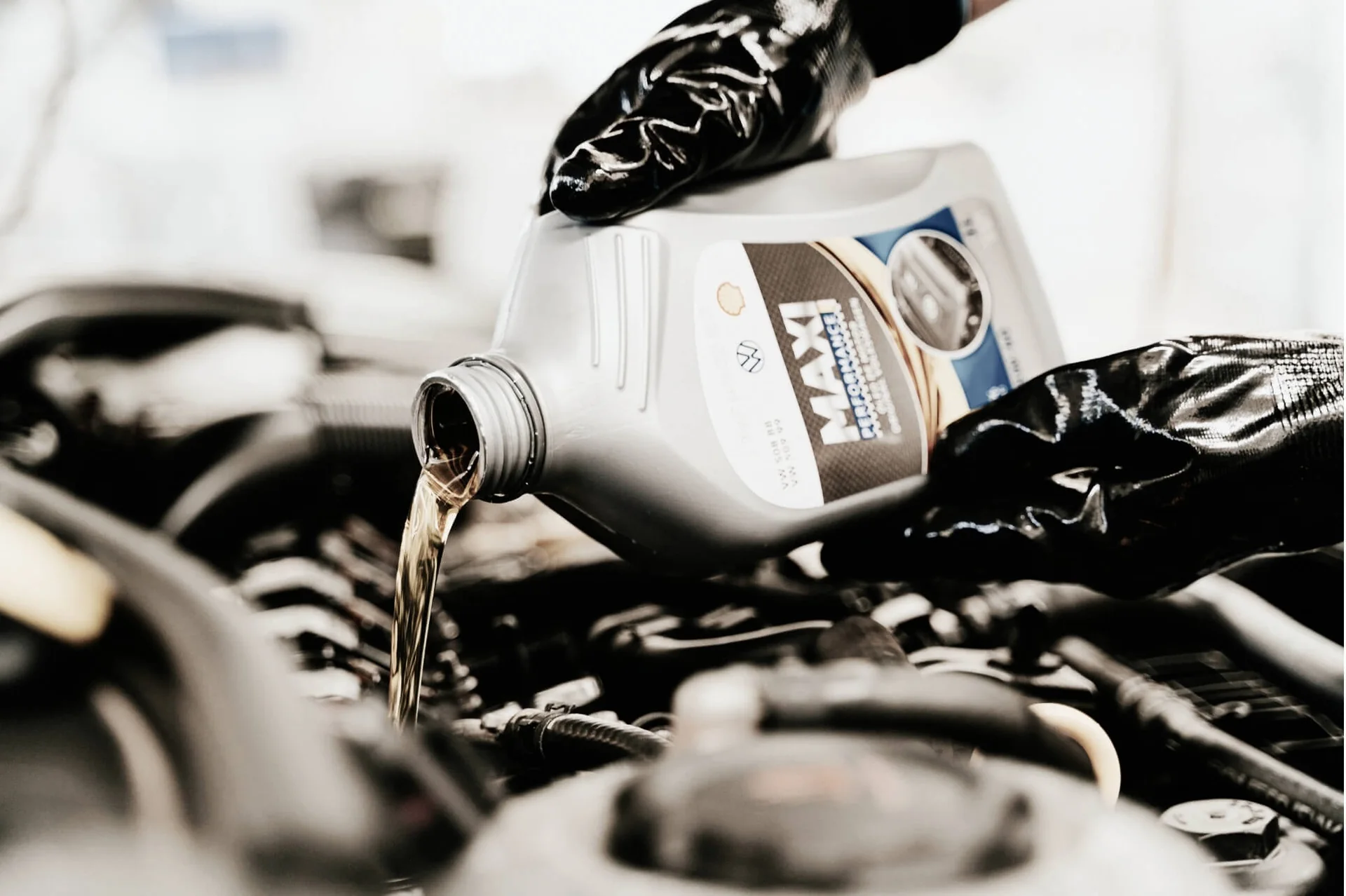
The old oil is drained, the appropriate filter is replaced and the engine is refilled with oil meeting the vehicle’s specifications. A routine inspection may identify visible fluid leaks, worn belts or hoses, or low tire pressure. The workshop should explain concerns rather than silently adding unrelated work.
Signs to act sooner
An oil-pressure warning, unusual engine noise, a significant leak or low oil level warrants prompt attention. An oil-pressure warning can indicate an immediate lubrication risk; stop safely, shut down the engine as directed by the owner's manual and obtain assistance rather than waiting for the next scheduled service.
For an oil change at Buckingham Auto Centre, include your vehicle's year, make, model and, if available, engine information. Ask which manufacturer-approved oil will be used and when the next service is due.
Before you contact the workshop
A clear description helps the workshop prepare for the conversation. Gather the following information without putting yourself at risk to obtain it.
- Vehicle year, make, model and engine information, if known.
- The date and odometer reading at the last oil service, or a note that the history is unknown.
- Your typical driving pattern and the exact wording of any dashboard warning.
Frequently asked questions
Is the oil-pressure light the same as an oil-change reminder?
No. An oil-pressure warning may indicate an urgent lubrication problem. Follow the owner’s manual and stop safely when directed; do not treat it as an ordinary maintenance reminder.
Does synthetic oil mean I can ignore the time interval?
No. Follow the vehicle’s required specification, oil-life system and time or distance limits. The word “synthetic” alone does not determine the correct service interval.
An appointment request is not a confirmed booking. The workshop will contact you to discuss availability and the next step.