A check-engine light is the vehicle's way of saying a system needs attention. It does not automatically mean the engine itself is failing, and it rarely tells you which part to replace. What matters first is how the vehicle behaves and whether the warning is steady or flashing.
Steady versus flashing
A steady light generally means a fault has been detected and should be diagnosed. Check for changes in performance, unusual smells, rough idling or other warning messages, and consult the owner's manual. A flashing light can indicate a potentially damaging misfire or another serious condition. If it flashes or the vehicle runs poorly, pull over safely and arrange assistance. Never continue driving solely because the vehicle still moves.
Common reasons the light appears
Possible causes include fuel vapour system faults, ignition misfires, sensor or wiring problems and air-fuel mixture issues. A loose or poorly sealing fuel cap can trigger certain warnings on some vehicles, but the exact cause is not known until the fault is evaluated.
Why a scan is not a diagnosis
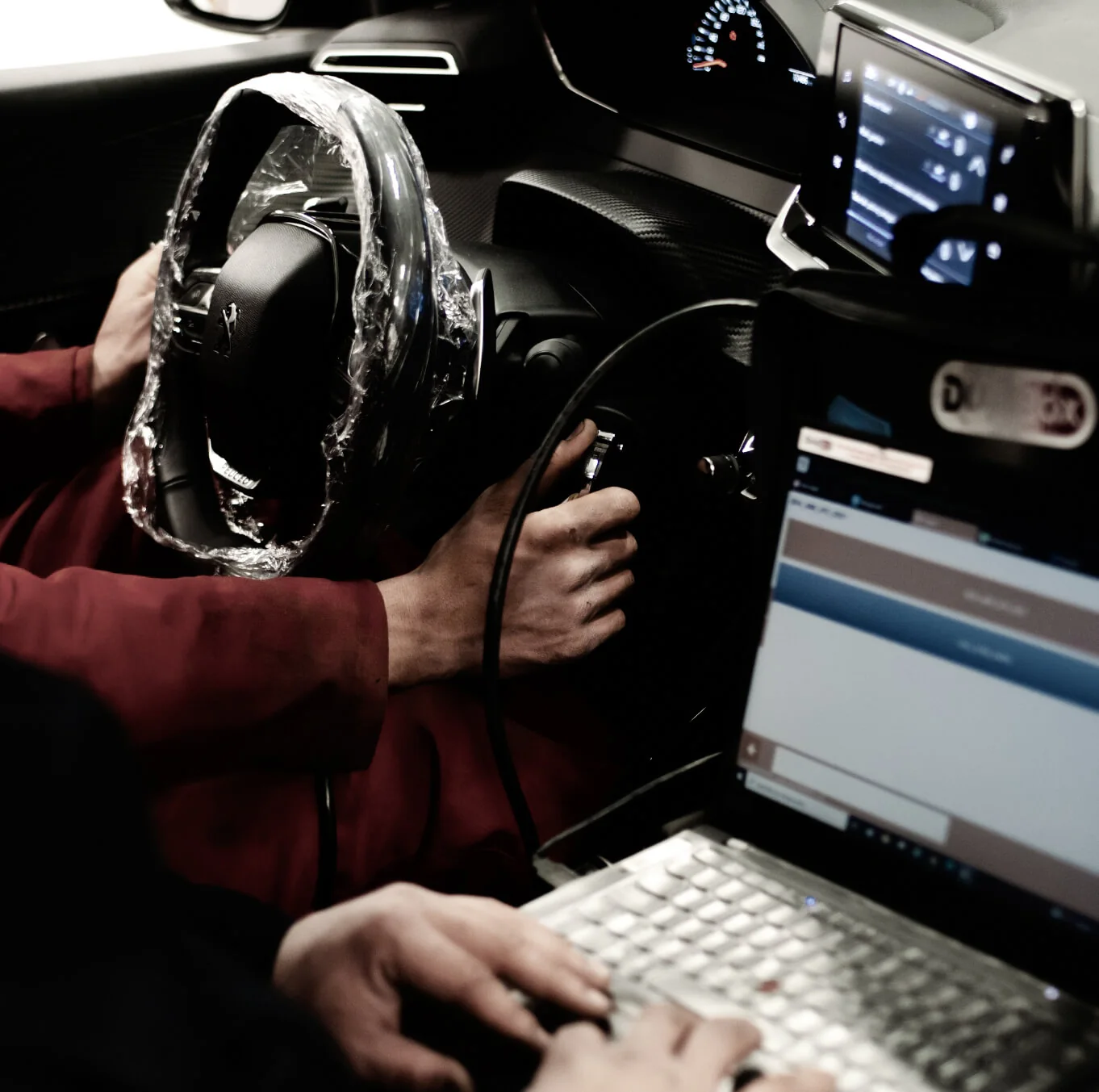
An OBD-II scanner retrieves diagnostic trouble codes and sometimes live readings. A code identifies the system or condition that triggered the warning, not necessarily a defective part. For example, an oxygen-sensor-related code may have several possible causes. Proper diagnosis may involve reviewing data, checking wiring or connectors, and testing relevant components.
What to tell the workshop
Note whether the warning is steady or flashing, when it first appeared, whether the vehicle lost power, and any recent repairs or fueling changes. If safe, photograph the dashboard before the light disappears. These details make the diagnostic conversation more useful.
Buckingham Auto Centre lists vehicle diagnostics and check-engine-light service among its offerings. Request an assessment and describe the symptom clearly; an estimate for any repair follows the findings.
Before you contact the workshop
A clear description helps the workshop prepare for the conversation. Gather the following information without putting yourself at risk to obtain it.
- Whether the light is steady or flashing, and any other warning displayed.
- When it began, including recent fueling, repairs or changes in driving behaviour.
- A safe description of rough running, loss of power, unusual smells or sounds.
Frequently asked questions
Should I erase the code before the appointment?
Avoid clearing diagnostic information simply to turn off the light. Tell the workshop what happened and follow its instructions; stored codes and operating information may help the investigation.
Does a code name the part that needs replacing?
No. A code describes a detected condition. The technician may need to check related systems, connections and operating data before recommending a repair.
An appointment request is not a confirmed booking. The workshop will contact you to discuss availability and the next step.